
Reimagine Your Renovation with Seamless Smart Living
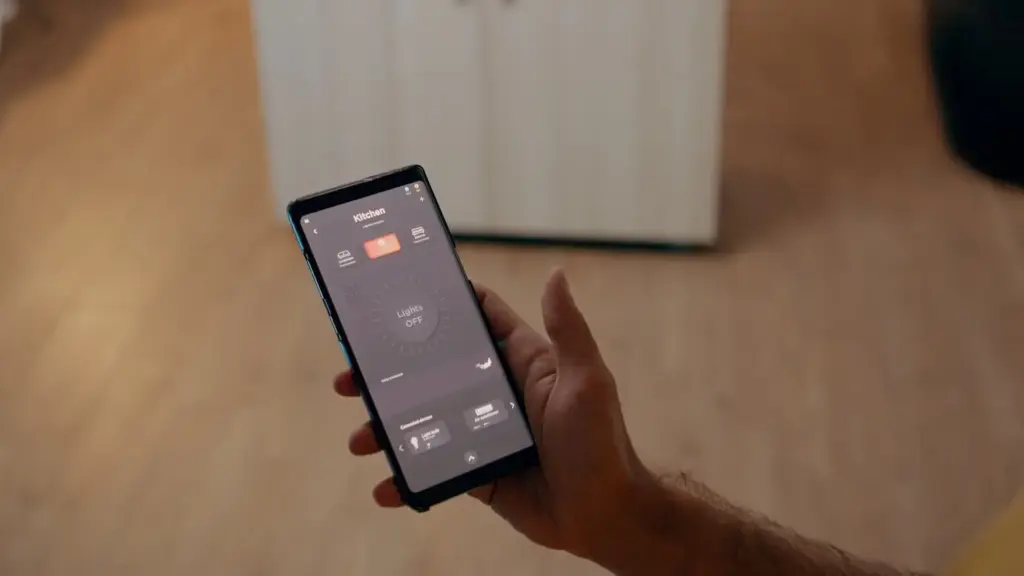
From first sketch to final handover, we’re exploring planning and installing smart technologies in comprehensive home makeovers, transforming chaotic renovations into calm, connected experiences. Discover how strategy, wiring, device selection, security, commissioning, and automation unite to deliver comfort, efficiency, and delight. We’ll draw on real renovation stories, practical checklists, and field-tested tips that help you avoid costly mistakes and build a resilient, future‑ready home that responds gracefully to your life and evolves effortlessly over time.

Start with Lifestyle, Not Gadgets

Before picking devices, translate how you live into clear outcomes: fewer taps, safer nights, calmer mornings, lighter bills. A couple renovating a 1950s bungalow finally slept through because lights dimmed automatically, doors reported status, and heating followed habits, not fixed schedules. Aim for experiences that feel natural, reversible where possible, and easy to share with guests. Ask questions, sketch journeys, and invite every household voice so the result fits real people, not catalog pages.

Design the Invisible Backbone

Network Topology that Survives Renovation Dust

Choose a central rack with labeled patch panels, PoE switches for cameras and access points, and wired backhaul to critical rooms. Position Wi‑Fi 6E or Wi‑Fi 7 access points away from metal obstructions and microwaves. Use VLANs to isolate devices, guest traffic, and management. Keep controller backups off‑site. When a contractor plugged a saw into the wrong outlet, one homeowner’s segmented network kept security online. Build for resilience, not just speedtest bragging rights.

Power and Low‑Voltage Coordination

Coordinate dedicated circuits for networking, AV, and smart hubs with surge protection and UPS coverage, giving graceful shutdowns during outages. Plan low‑voltage runs alongside electrical safely, respecting code and keeping noise down. Label everything at both ends and document breaker references. Centralize terminations in a ventilated closet. During commissioning, you will thank yourself for clean labeling when firmware updates coincide with inspections. This is the difference between weekend tinkering and dependable, professional‑grade living.

Retrofit Tactics for Old Walls

When drilling new paths is risky, use existing chases, baseboard raceways, and attic or crawlspace drops. Blend wireless sensors where appropriate, but budget for periodic battery maintenance with a documented schedule. For solid masonry, surface‑mounted conduit can look tidy with paint‑ready covers. Test signal propagation before final placement. One townhouse retrofit succeeded by combining discrete surface runs with Thread‑based devices, protecting historic plaster while preserving upgrade flexibility for future occupants and evolving standards.

Protocols Without the Hype

Matter promises a unified language, yet bridges and legacy devices still matter. Thread forms a resilient mesh, but placement and power balance are crucial. Zigbee and Z‑Wave remain stable choices with mature tooling. Map device roles to protocol strengths rather than chasing marketing claims. Keep a compatibility matrix and update it after each firmware release. Readers, share your favorite mixed‑protocol wins or surprises, because real homes reveal edge cases that spec sheets rarely mention.

Hubs, Bridges, and Local Control

Select a primary brain that can run automations locally and gracefully integrate voice assistants without depending on them. Evaluate hub stability, backup options, and exportable configurations. Bridges can unify legacy shades, locks, or lighting lines professionally. A client’s movie night kept working during an internet outage because scenes lived locally on the hub. Favor platforms that treat your data with respect, clearly disclose telemetry, and allow offline operation for essential routines and safety.

Security, Privacy, and Safety by Design

Treat your home like a small networked facility. Plan threat models, define access roles, and minimize shared passwords. Respect privacy with clear camera zones, indicator LEDs, and consent for recordings. Ensure doors fail safely and fire alarms override automations. One family avoided chaos during a storm because battery‑backed locks, local automations, and SMS alerts worked calmly. Security should feel invisible daily yet stay verifiably strong under stress through rehearsed routines and sensible redundancies.

Network Segmentation and Credentials Hygiene

Create separate VLANs for smart devices, personal laptops, and guests. Use long, unique passphrases, a password manager, and multi‑factor authentication where available. Rotate credentials during contractor handovers and maintain an access log. Disable unnecessary services on devices. Back up configuration files regularly. If a gadget misbehaves, quarantine it without disrupting the whole home. Security becomes manageable when it’s routine, documented, and simple enough that everyone understands how to act confidently during incidents.

Cameras, Door Locks, and Consent

Place cameras thoughtfully to cover entries while avoiding private spaces, and enable privacy shutters when feasible. Prefer encrypted storage, ideally local with off‑site backups. Use logs that show who unlocked doors and when, assigning app roles appropriately. Communicate rules to cleaners, guests, and sitters. A courteous note about recording areas prevents confusion. Safety increases when transparency leads. Discuss your comfort boundaries openly, and design alerts that inform without overwhelming or eroding trust at home.
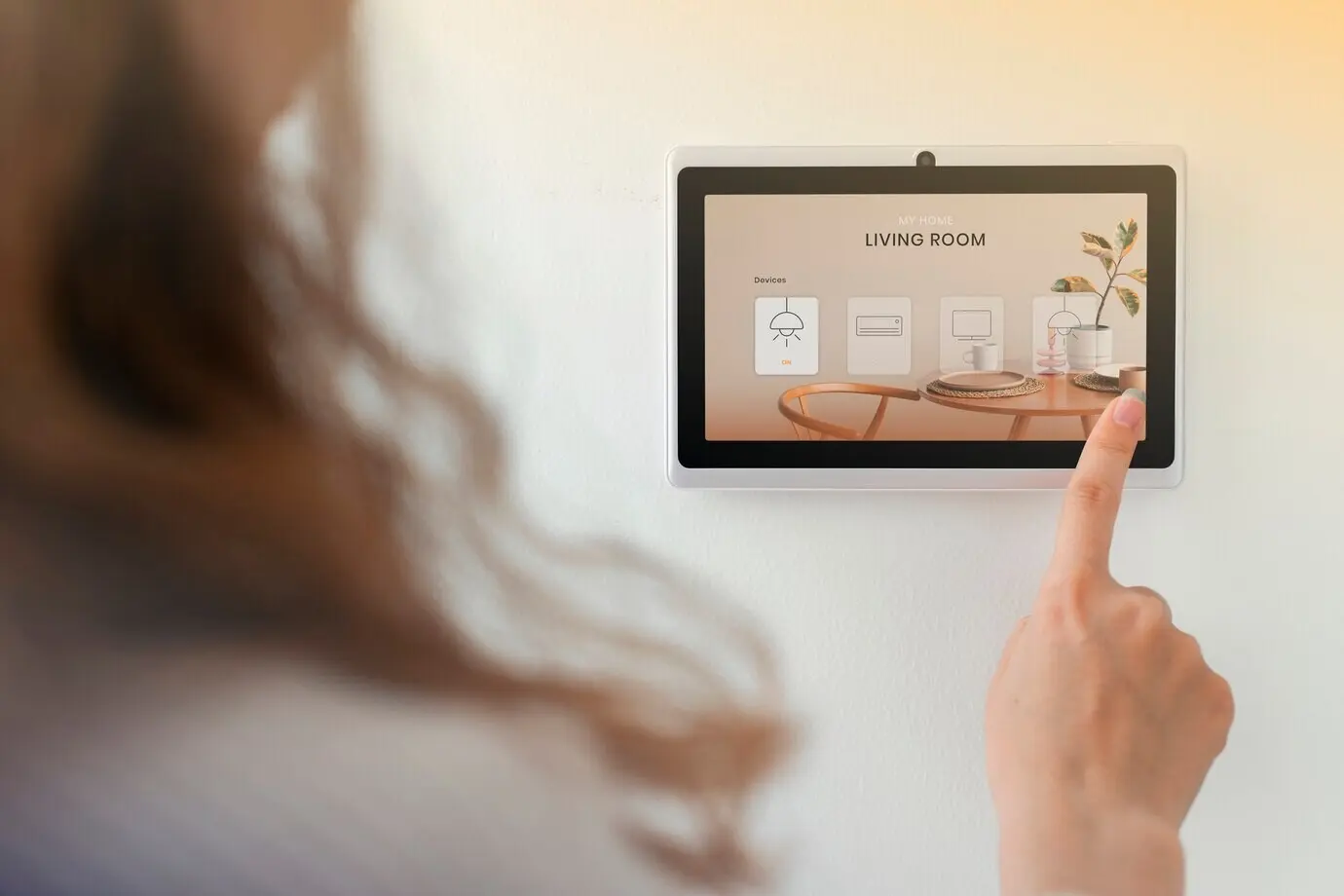
From Rough‑In to Commissioning
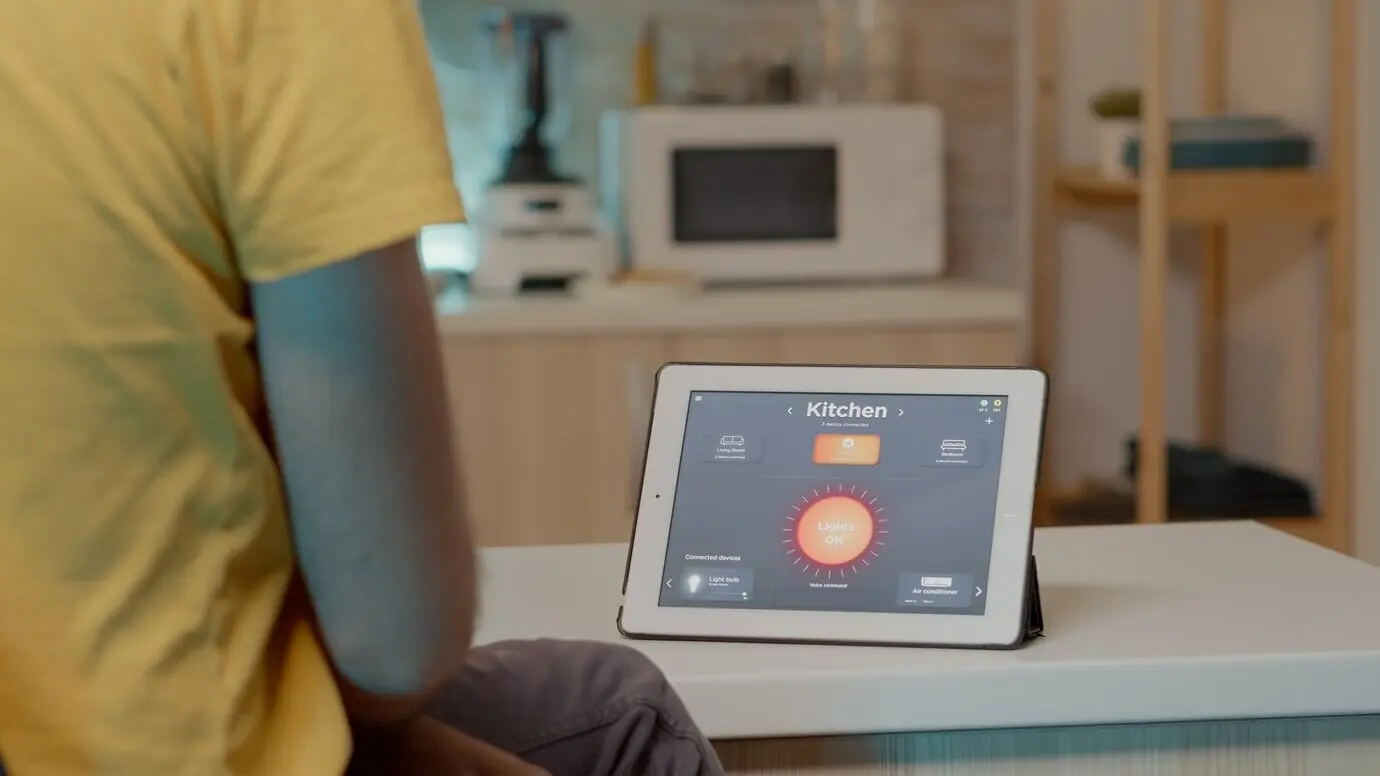
Execution defines success. Coordinate rough‑ins, verify cable tests, and photograph walls before closing. Label every run and maintain living documentation. Stagger installations to prevent trades stepping on each other’s work. Commission methodically: update firmware, name devices consistently, and validate scenes with occupants present. A structured handover—complete with diagrams, QR‑linked manuals, and mini training—turns complexity into confidence. Share if you’d like our commissioning checklist; subscribers get a printable version for onsite use.

Stage Installations to Reduce Chaos

Sequence matters: infrastructure first, then fixed devices, then software integrations. Protect finished surfaces before hanging panels. Use temporary labeling during dry runs, then finalize once verified. Hold short stand‑ups with trades to resolve conflicts early. In one project, a fifteen‑minute daily sync prevented three costly reworks. Treat staging like choreography; everyone knows cues, timing, and handoffs. The home stays livable, the schedule steadier, and surprises become minor detours rather than full stops.

Document Everything Like an Airline Checklist

Capture rack layouts, IP schemes, VLAN plans, device names, cable IDs, and breaker maps. Store copies in the cloud and locally, with a printed quick‑start binder in the rack. Use standardized naming to prevent confusion months later. Check off commissioning steps as you go. When a thermostat update misbehaved, documentation turned a panic into a fifteen‑minute fix. Invite readers to request our naming conventions guide, refined through many renovations and hard‑won lessons.

User Onboarding that Prevents Support Calls

Teach household members how to use scenes, fallbacks, and manual overrides. Provide a simple one‑page guide for guests. Set expectations about motion delays, quiet hours, and privacy rules. Encourage feedback during the first week to refine settings. A little training avoids late‑night frustration and post‑renovation blues. Schedule a thirty‑day check‑in to adjust automations as routines settle. If you’ve onboarded family successfully, share your best trick so others can skip the learning curve.

Automation that Feels Like Magic

Great automations disappear until you notice how smoothly everything flows. Tie comfort and efficiency to presence, weather, and time. Use gentle fades, not jarring toggles. Provide a reliable manual fallback on every pathway. Pair sensors thoughtfully: occupancy plus illuminance avoids lights at noon. A blended approach—voice for requests, scenes for routines, schedules for resilience—creates harmony. Tell us your favorite everyday moment that now feels effortless; your story may inspire someone’s next upgrade.
Zunumunulipinulo
Privacy Overview

This website uses cookies so that we can provide you with the best user experience possible. Cookie information is stored in your browser and performs functions such as recognising you when you return to our website and helping our team to understand which sections of the website you find most interesting and useful.