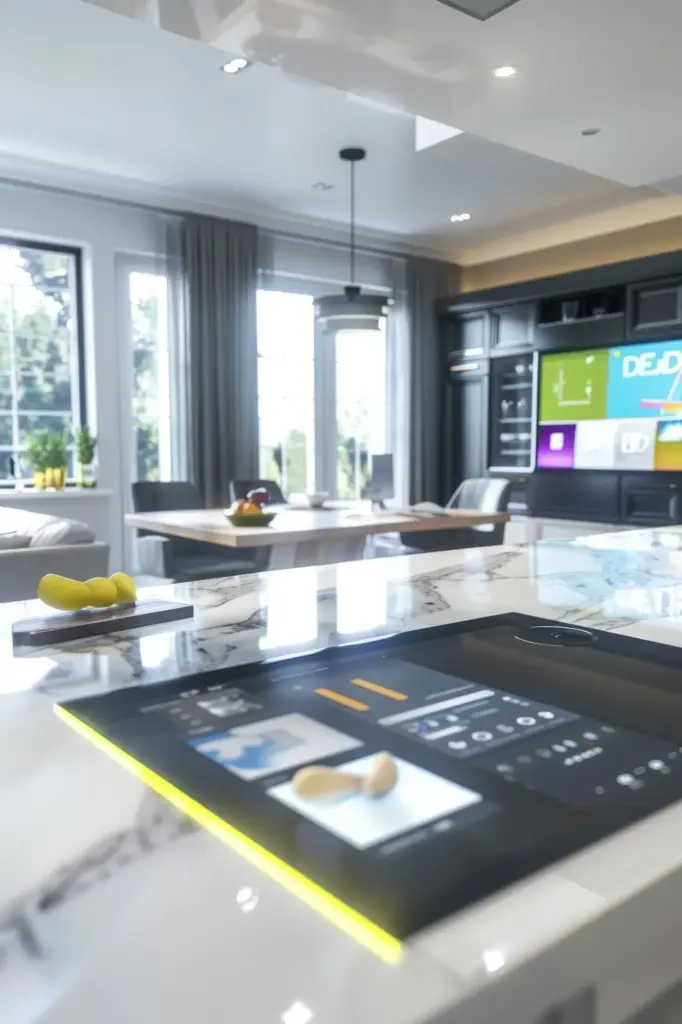
Reimagine Your Home with Planet-First Renovation

Foundations of a Greener Overhaul
Audit and Measurable Goals
Begin with a professional energy audit and blower-door test to reveal leaks, insulation gaps, and ventilation weaknesses. Translate findings into measurable goals like a specific air-change rate target, kilowatt-hour reductions, or temperature uniformity across rooms. Tie these to comfort metrics, allergy relief, or moisture control, ensuring every material choice and finish selection advances concrete outcomes you can monitor over time.
Budget, Payback, and Hidden Value
Balance upfront costs with lifetime benefits by modeling energy savings, maintenance reductions, and resilience under extreme weather. Include non-monetary returns like healthier air, quieter rooms, and fewer allergens. Consider sequencing investments so insulation, air sealing, and right-sized heat pumps replace oversized legacy systems. Track rebates and tax credits that shorten payback, and factor durability that reduces replacement cycles and landfill waste.
Materials That Respect the Earth

Salvaged, Reclaimed, and Remanufactured

Rapidly Renewable and Credibly Certified
Energy Upgrades That Matter Most

Low-Impact Finishes You’ll Love
Water, Waste, and Indoor Air

Water Efficiency and Resilience

Construction Waste as a Resource