
Project Management Frameworks That Transform Whole-Home Renovations
Today we explore project management frameworks for complete home renovations, translating methods like Waterfall, Agile, and hybrid models into clear steps for scope, scheduling, budgeting, risk, and quality. Expect practical checklists, lived examples, and rituals you can start using this week to build confidently. Join the conversation, share your renovation hurdles, and subscribe for deep dives that turn chaos into a calm, repeatable process.

Laying the Groundwork: Scope, Vision, and Stakeholders
Before the first wall comes down, clarity saves money, sleep, and relationships. Define outcomes, constraints, and decision rights with the same rigor you bring to material selections. A shared understanding of purpose and priorities becomes your compass when dust, delays, and unexpected discoveries test patience and resolve throughout the renovation journey.
Defining the North Star
Craft a crisp project charter that translates dreams into measurable outcomes: heated floors that cut morning rush stress, insulation values that tame utility bills, and a kitchen flow that truly supports family routines. Document success criteria, must-haves, and nice-to-haves, so trade-offs later feel deliberate, not desperate or accidental.
Mapping Stakeholders with Care
List every voice that matters, from homeowners and architect to general contractor, neighbors, and the city inspector. Use a simple RACI to assign who decides, who contributes, and who must be informed. Clear ownership prevents decision drift, speeds approvals, and preserves goodwill when surprises challenge optimism and schedules.
Predictability First: Waterfall for Structure

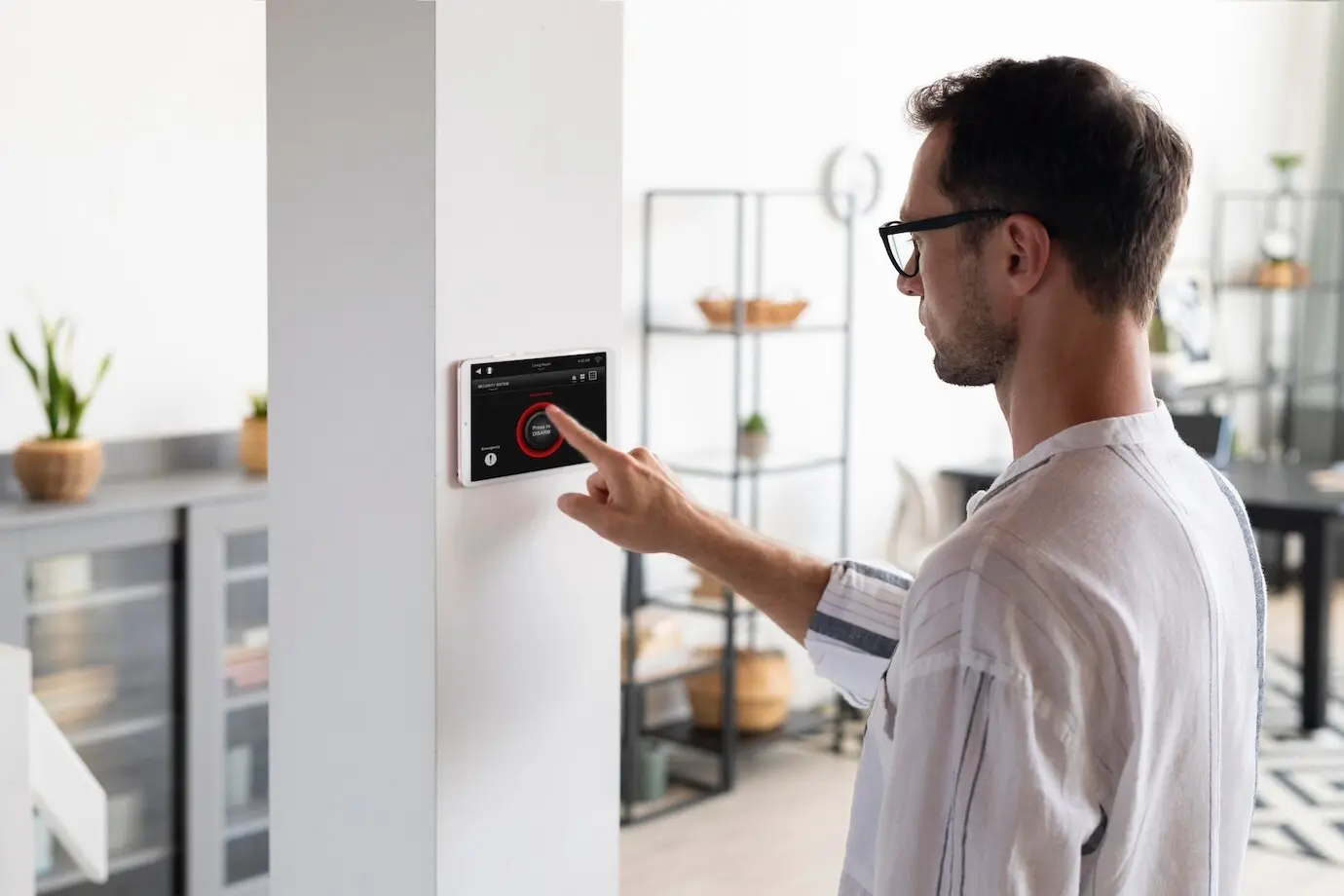
Use a sequential plan for foundation, framing, roofing, and rough-ins, where dependencies and inspections demand order. Lock drawings, schedules, and long-lead procurement. One family avoided a three-week delay by issuing structural steel drawings six weeks earlier, aligning shop fabrication windows with excavator availability and city inspection capacity.
Iterate with Intention: Agile for Interiors

Run two-week sprints for kitchens, baths, and built-ins. Demo a sample cabinet run, review in real space, then iterate before scaling. Weekly backlog grooming keeps selections, samples, and approvals flowing. A couple saved costly tile returns by sprinting mockups, catching glare issues under their exact pendant lighting early.
Hybrid Harmony: Stage Gates and Sprints
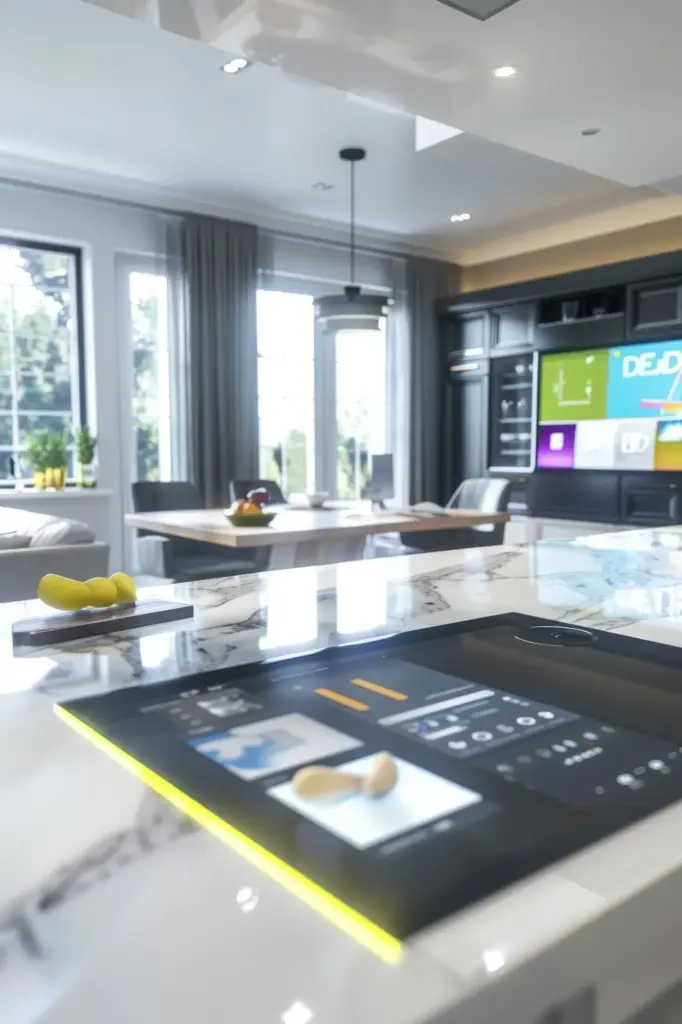
Combine stage gates for permits and inspections with sprint-based finishes. Gate decisions lock the critical path; sprints manage choices that benefit from seeing, touching, and testing. A simple cadence—Monday plan, Wednesday review, Friday demo—keeps momentum, while gate checklists prevent design enthusiasm from colliding with structural realities or safety.
Scheduling Mastery: Critical Path, Buffers, and Lead Times
Network the Work with a WBS
Break the renovation into deliverable-based work packages: exterior envelope, mechanical systems, kitchen millwork, flooring, and final commissioning. Map dependencies, lead and lag, and inspection gates. When every activity clearly belongs to a package, sequencing becomes rational, oversight becomes easier, and parallel work opportunities naturally reveal themselves.
Protect the Plan with Real Buffers
Add procurement and weather buffers where they matter, not everywhere. Track float visibly on the wall and in your software. A homeowner avoided a costly hotel extension by staging appliances off-site earlier, protecting the critical path from a common regional logistics bottleneck during peak holiday shipping periods.
Seasonality and Parallel Streams
Schedule exterior work in mild months and push interior rough-ins during weather risks. Split streams so electrician rough-in progresses upstairs while tilers prep ground-floor substrates. This choreography reduces idle time, lets crews move with purpose, and preserves morale by keeping craftsmanship visible even when surprises demand re-sequencing.
Budget Control: Estimation, Contingency, and Value Decisions
Budgets breathe. Strong frameworks turn breathing into controlled inhales and exhales rather than gasps. Use estimate classes, track committed costs, and separate contingency from discretionary upgrades. Value engineering should protect intent, not flatten character. Transparent change control keeps trust intact when inspiration meets reality mid-construction under pressure.

Risk and Compliance: Permits, Inspections, and Safety
Compliance is not red tape; it is protection. Treat permits, codes, and inspections as milestones that reduce uncertainty. Embed safety practices from day one, especially when you live on-site. A structured risk register keeps eyes on what could go wrong and assigns ownership before stress clouds judgment under pressure.
One Source of Truth
Combine a physical Kanban wall with a shared digital board. Track selections, approvals, and blockers in one place visible to all. Photos, daily logs, and as-built notes prevent misunderstandings. When everyone sees the same reality, accountability feels fair and decisions land faster, with fewer accidental conflicts or surprises.
Meetings That Matter
Replace wandering check-ins with crisp stand-ups, focused walkthroughs, and short demos. Time-box decisions, capture action items, and confirm owners immediately. A Friday floor-walk with the general contractor rescued a vanity rough-in height before tile installation, saving rework and an awkward faucet angle that would frustrate daily routines.
Invite Engagement, Build Community
Ask questions, share weekly photos, and solicit input on small finish details while keeping decision authority clear. Encourage readers to comment with tools they love, subscribe for checklists, and request templates. Open dialogue turns solitary stress into a supportive network where wisdom compounds across many projects and households.
Quality and Handover: From First Task to Final Key
Quality is not a final inspection; it is a habit from day one. Define done, embed checklists, and document as you go. Closeout becomes a celebration, not a scramble. Handovers that include care guides and warranties protect investment and pride long after the last contractor leaves your driveway satisfied.
Tools and Templates: Ready-to-Use Checklists and Boards
Frameworks shine when tools make them effortless. Simple templates reduce decision friction and help busy households keep pace with professional crews. Use boards, logs, and checklists that travel from planning to punch. Consistency turns complex renovations into a series of manageable, well-communicated, confidently executed steps everyone can understand together.